
Preparing for competitive exams like NEET or scoring high in your Class 12 Boards can feel like trying to climb a mountain. With a vast syllabus and hundreds of diagrams, it’s easy to feel overwhelmed. That is where Biology Short Notes come in as your ultimate secret weapon.
At Sarkariexampdf.in, we understand that during the last few months of preparation, you don’t have the time to re-read 500-page textbooks. You need something crisp, accurate, and easy to revise.
In this guide, we provide high-quality Class 12 Biology short notes PDF download options and expert tips to help you ace your exams.
Why are Biology Short Notes Important for NEET?
Biology makes up 50% of the NEET paper. While NCERT is the Bible for medical aspirants, these short notes help you:
- Quick Revision: Revise an entire chapter in 10–15 minutes.
- Memory Retention: Flowcharts and tables help you remember complex cycles.
- Focus on High-Yield Topics: Spend more time on what actually appears in the exam.
Biology Short Notes Class 12: Chapter-Wise PDF List
We have curated a list of essential chapters for NEET and Class 12. These notes are stored securely in Google Drive for easy access. Click the links below to view and download your study material.
1. Plant Physiology & Cell Biology
These chapters are the backbone of Botany. Understanding the cycles is key here.
- Photosynthesis in Higher Plants: Covers light and dark reactions, C3/C4 pathways.
- Respiration in Plants: Detailed steps of Glycolysis and Krebs Cycle.
- Transport in Plants: Understanding osmosis, xylem, and phloem.
- Cell: The Unit of Life: Breakdown of organelles and their functions.
- Cell Cycle and Cell Division: Mitosis and Meiosis explained simply.
- Plant Growth and Development: Focus on plant hormones (Auxins, Gibberellins, etc.).
- Mineral and Nutrition: Essential elements and deficiency symptoms.
2. Reproduction and Genetics
- Sexual Reproduction in Flowering Plants: Double fertilization and embryo development.
- Reproductive Health: Methods of birth control and IVF details.
- Evolution: Theories of origin of life and Darwinism.
3. Ecology and Environment
These chapters are high-scoring and relatively easier to grasp.
- Ecosystem: Energy flow, food chains, and pyramids.
- Biodiversity and Conservation: National parks, sanctuaries, and IUCN data.
4. Human Physiology and Health
- Human Health and Disease: Immunity, AIDS, Cancer, and common diseases.
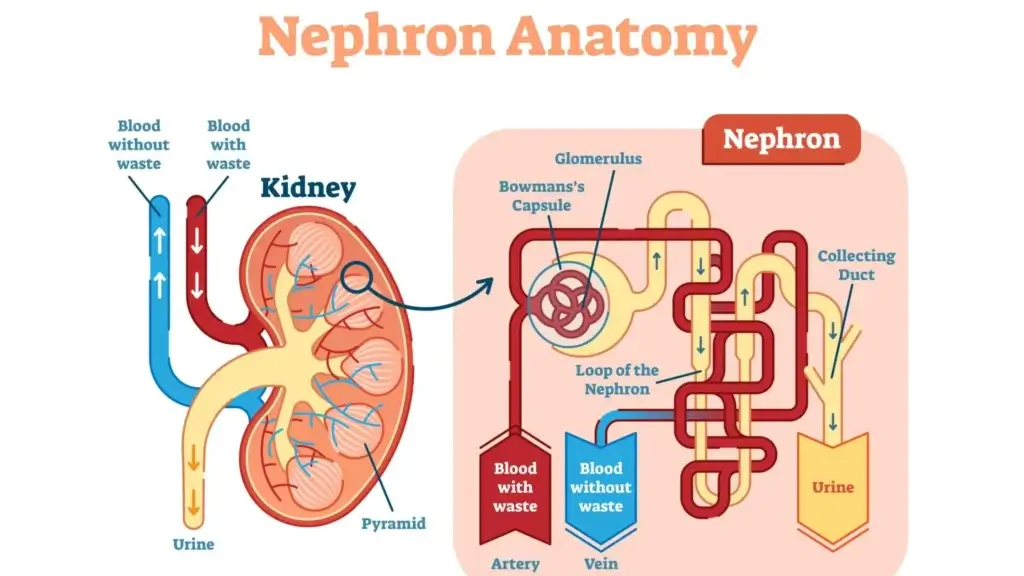
- Excretory Products and their Elimination: Mechanism of urine formation (Nephron function).
- Locomotion and Movement: Muscle contraction and the skeletal system.
- Neural Control and Coordination: Nerve impulse conduction and brain structure.
- Chemical Coordination and Integration: Endocrine glands and hormone actions.
- Structural Organisation in Animals: Tissue types and anatomy of organisms.
5. Biology in Human Welfare & Biotech
- Microbes in Human Welfare: Uses of bacteria and fungi in industry and home.
- Biotechnology: Principles and Processes: PCR, Gel Electrophoresis, and Recombinant DNA.
How to Download PDF from Google Drive
Biology Chapter Notes – Direct Download
| Chapter Name | Action |
|---|---|
| Photosynthesis in Higher Plants | Download PDF |
| Biological Classification | Download PDF |
| Sexual Reproduction in Flowering Plants | Download PDF |
| Respiration in Plants | Download PDF |
| Transport in plants | Download PDF |
| Cell: The Unit of Life | Download PDF |
| Cell Cycle and Cell Division | Download PDF |
| Ecosystem | Download PDF |
| Microbes in Human Welfare | Download PDF |
| Biodiversity and Conservation | Download PDF |
| Structural Organisation in Animals | Download PDF |
| Plant Growth and Development | Download PDF |
| Plant Kingdom | Download PDF |
| Human Health and Disease | Download PDF |
| Reproductive Health | Download PDF |
| Evolution | Download PDF |
| Excretory Products and their Elimination | Download PDF |
| Locomotion and Movement | Download PDF |
| Neural Control and Coordination | Download PDF |
| Chemical Coordination and Integration | Download PDF |
| Biotechnology: Principles and Processes | Download PDF |
| Mineral and Nutrition | Download PDF |
We want your experience to be seamless. Follow these steps to get your NEET biology short notes pdf free download:
- Click the Link: Select the chapter name from the list above.
- Redirect to Drive: You will be taken to a Google Drive preview page.
- Download Icon: Look for the downward arrow icon at the top right corner.
- Save: Choose the folder on your phone or laptop where you want to save the file.
- Offline Access: Once downloaded, you can study anytime without an internet connection.
- Modern Physics: Chapters, MCQs & PDF Notes
- NEET Zoology Syllabus Chapterwise Weightage PDF and MCQs
- NEET Biology Short Notes – Chapter-Wise Revision, Download Free PDFs.
- IIT JEE Maths Practice Questions | Free PDF for JEE Mains
- Huheey Inorganic Chemistry PDF Guide | SarkariExamPDF.in
NEET Biology: 100 Practice Questions
Q1. Who is known as the Father of Biology?
Check Answer
Answer: Aristotle
Q2. Which cell organelle is called the ‘Powerhouse of the cell’?
Check Answer
Answer: Mitochondria
Q3. The Five Kingdom classification was proposed by?
Check Answer
Answer: R.H. Whittaker (1969)
Q4. What is the first stable product of the C3 cycle (Calvin Cycle)?
Check Answer
Answer: 3-phosphoglyceric acid (3-PGA)
Q5. Double fertilization is a characteristic feature of which group?
Check Answer
Answer: Angiosperms (Flowering plants)
Q6. Which hormone is known as the ‘Stress Hormone’ in plants?
Check Answer
Answer: Abscisic Acid (ABA)
Q7. The site of light reaction in chloroplast is?
Check Answer
Answer: Grana (Thylakoids)
Q8. Name the process of fruit formation without fertilization.
Check Answer
Answer: Parthenocarpy
Q9. Which antibody is present in mother’s milk (Colostrum)?
Check Answer
Answer: IgA
Q10. Who is considered the ‘Father of Genetics’?
Check Answer
Answer: Gregor Johann Mendel
Q11. The structural and functional unit of kidney is?
Check Answer
Answer: Nephron
Q12. In which phase of the cell cycle does DNA replication occur?
Check Answer
Answer: S-phase (Synthesis phase)
Q13. ‘Lungs of the planet’ refers to which forest?
Check Answer
Answer: Amazon Rainforest
Q14. Restriction enzymes are also known as?
Check Answer
Answer: Molecular Scissors
Q15. The interaction where one species is benefited and other is unaffected is?
Check Answer
Answer: Commensalism (+ / 0)
Q16. What is the main component of bacterial cell wall?
Check Answer
Answer: Peptidoglycan
Q17. Which endocrine gland is known as the ‘Master Gland’?
Check Answer
Answer: Pituitary Gland
Q18. The net gain of ATP in Glycolysis is?
Check Answer
Answer: 2 ATP
Q19. Which plant is used as a bio-fertilizer in rice fields?
Check Answer
Answer: Azolla (a water fern)
Q20. The theory of Natural Selection was given by?
Check Answer
Answer: Charles Darwin
Q21. What is the unit of ozone layer thickness?
Check Answer
Answer: Dobson Unit (DU)
Q22. Penicillin was discovered by?
Check Answer
Answer: Alexander Fleming
Q23. Which gas is mainly responsible for the Greenhouse Effect?
Check Answer
Answer: Carbon Dioxide (CO2)
Q24. In DNA, Adenine pairs with?
Check Answer
Answer: Thymine (with 2 Hydrogen bonds)
Q25. The process of DNA to mRNA formation is called?
Check Answer
Answer: Transcription
Q26. Which organelle is known as the ‘Suicidal Bag’?
Check Answer
Answer: Lysosome
Q27. The first heart sound ‘LUB’ is caused by?
Check Answer
Answer: Closure of AV valves (Tricuspid and Bicuspid)
Q28. What is the respiratory quotient (RQ) of carbohydrates?
Check Answer
Answer: 1.0
Q29. The joint between Atlas and Axis vertebrae is?
Check Answer
Answer: Pivot Joint
Q30. Which nutrient is essential for Nitrogen fixation?
Check Answer
Answer: Molybdenum (Mo)
Q31. Movement of water through semi-permeable membrane is?
Check Answer
Answer: Osmosis
Q32. Smallest cell in the human body is?
Check Answer
Answer: Sperm cell
Q33. ‘Pellicle’ is found in which organism?
Check Answer
Answer: Euglena
Q34. The functional unit of inheritance is?
Check Answer
Answer: Gene
Q35. Which vitamin is also known as Calciferol?
Check Answer
Answer: Vitamin D
Q36. Largest gland in the human body?
Check Answer
Answer: Liver
Q37. Which enzyme is found in the tears of humans?
Check Answer
Answer: Lysozyme
Q38. The study of fruits is called?
Check Answer
Answer: Pomology
Q39. What is the floral part that develops into a fruit?
Check Answer
Answer: Ovary
Q40. Which gas was absent in the primitive atmosphere of Earth?
Check Answer
Answer: Oxygen (O2)
Q41. Total number of bones in an adult human?
Check Answer
Answer: 206
Q42. The element present in Insulin is?
Check Answer
Answer: Zinc (Zn)
Q43. Main site of water absorption in humans?
Check Answer
Answer: Large Intestine
Q44. Who is known as the ‘Father of Medicine’?
Check Answer
Answer: Hippocrates
Q45. Which base is present in RNA but absent in DNA?
Check Answer
Answer: Uracil
Q46. The structural unit of photosynthesis is?
Check Answer
Answer: Quantasome
Q47. Deficiency of Vitamin A causes?
Check Answer
Answer: Night Blindness
Q48. Which hormone is released during childbirth?
Check Answer
Answer: Oxytocin
Q49. The process of converting atmospheric N2 into ammonia is?
Check Answer
Answer: Nitrogen Fixation
Q50. Which blood group is a universal donor?
Check Answer
Answer: O Negative
Q51. What is the study of tissues called?
Check Answer
Answer: Histology
Q52. The genetic material of HIV is?
Check Answer
Answer: Single-stranded RNA (2 copies)
Q53. Which hormone promotes cell division in plants?
Check Answer
Answer: Cytokinin
Q54. Red color of blood is due to?
Check Answer
Answer: Hemoglobin
Q55. ‘Ploidy’ of endosperm in angiosperms is?
Check Answer
Answer: Triploid (3n)
Q56. Crossing over occurs during which stage of meiosis?
Check Answer
Answer: Pachytene
Q57. Which enzyme is used in PCR technique?
Check Answer
Answer: Taq Polymerase
Q58. Full form of GMO?
Check Answer
Answer: Genetically Modified Organism
Q59. Energy flow in an ecosystem is always?
Check Answer
Answer: Unidirectional
Q60. Main product of excretion in humans?
Check Answer
Answer: Urea
Q61. The process of aging in science is called?
Check Answer
Answer: Gerontology
Q62. Powerhouse of cell in prokaryotes is?
Check Answer
Answer: Mesosomes
Q63. Which part of the brain controls body temperature?
Check Answer
Answer: Hypothalamus
Q64. Vitamin K deficiency leads to?
Check Answer
Answer: Delayed blood clotting
Q65. Scientific name of Human is?
Check Answer
Answer: Homo sapiens
Q66. Which pigment is responsible for skin color?
Check Answer
Answer: Melanin
Q67. What is the life span of an RBC?
Check Answer
Answer: 120 Days
Q68. Full form of ATP?
Check Answer
Answer: Adenosine Triphosphate
Q69. The functional unit of contraction in muscle is?
Check Answer
Answer: Sarcomere
Q70. Which gas is known as ‘Laughing Gas’?
Check Answer
Answer: Nitrous Oxide (N2O)
Q71. Smallest bone in human body?
Check Answer
Answer: Stapes (Ear bone)
Q72. ‘In-situ’ conservation means?
Check Answer
Answer: Conservation in the natural habitat
Q73. Primary productivity is highest in?
Check Answer
Answer: Tropical Rainforests
Q74. Who discovered the cell?
Check Answer
Answer: Robert Hooke (1665)
Q75. Which hormone is responsible for apical dominance?
Check Answer
Answer: Auxin
Q76. Full form of ELISA?
Check Answer
Answer: Enzyme-Linked Immunosorbent Assay
Q77. Malaria is caused by?
Check Answer
Answer: Plasmodium (a Protozoan)
Q78. Largest animal cell is?
Check Answer
Answer: Ostrich Egg
Q79. Which enzyme breaks down starch?
Check Answer
Answer: Amylase
Q80. Number of salivary glands in humans?
Check Answer
Answer: 3 Pairs
Q81. ‘Father of Taxonomy’ is?
Check Answer
Answer: Carolus Linnaeus
Q82. Deficiency of Insulin causes?
Check Answer
Answer: Diabetes Mellitus
Q83. Scurvy is caused by deficiency of?
Check Answer
Answer: Vitamin C
Q84. What is the study of birds called?
Check Answer
Answer: Ornithology
Q85. Which hormone triggers the ‘Fight or Flight’ response?
Check Answer
Answer: Adrenaline (Epinephrine)
Q86. Genetic name for Down’s Syndrome?
Check Answer
Answer: Trisomy 21
Q87. Which process occurs in both aerobic and anaerobic respiration?
Check Answer
Answer: Glycolysis
Q88. ‘Amphibians of the plant kingdom’ are?
Check Answer
Answer: Bryophytes
Q89. What is a Ti-plasmid?
Check Answer
Answer: Tumor-inducing plasmid (from Agrobacterium)
Q90. Study of environment is called?
Check Answer
Answer: Ecology
Q91. Which organ is known as the ‘Graveyard of RBCs’?
Check Answer
Answer: Spleen
Q92. Basic unit of classification?
Check Answer
Answer: Species
Q93. Pollination by wind is called?
Check Answer
Answer: Anemophily
Q94. Normal blood pressure of a human?
Check Answer
Answer: 120/80 mmHg
Q95. Which light is most effective in photosynthesis?
Check Answer
Answer: Red Light
Q96. Hormone that helps in ripening of fruits?
Check Answer
Answer: Ethylene (Gas)
Q97. Main respiratory organ in fishes?
Check Answer
Answer: Gills
Q98. Study of bones is called?
Check Answer
Answer: Osteology
Q99. Which vitamin is synthesized by bacteria in the human gut?
Check Answer
Answer: Vitamin B12
Q100. Who proposed the Cell Theory?
Check Answer
Answer: Schleiden and Schwann
Pro Tips for NEET Preparation and Exam Day
Success in NEET isn’t just about working hard; it’s about working smart.
- Master the Diagrams: In Biology, a diagram is worth a thousand words. Practice labeling the heart, the brain, and plant reproductive parts.
- NCERT is King: Use our short notes for revision, but make sure you have read the NCERT textbook at least 3–4 times.
- Solve Previous Year Questions (PYQs): After finishing a chapter’s short notes, solve the last 10 years of NEET questions for that topic.
- Time Management: During the exam, try to finish the Biology section in 45–50 minutes. This gives you more time for Physics and Chemistry.
- Flashcards for Examples: Use small cards to memorize scientific names of plants and animals.
Conclusion
Biology is a subject that rewards consistency. By using these Biology Short Notes Class 12, you ensure that you don’t forget important points at the last minute. Our goal at Sarkariexampdf.in is to provide you with the best resources to make your dream of wearing a white coat a reality.
Download the PDFs, keep revising, and stay confident. You’ve got this!
Frequently Asked Questions (FAQs)
What is biology short notes?
Biology short notes are condensed versions of full chapters. They contain only the most important points, definitions, formulas, and diagrams. They are designed for quick scanning and final revision before an exam.
How to make short notes for biology?
To make effective notes:
– Read the full chapter first.
– Highlight keywords and unique terms.
– Use bullet points instead of long paragraphs.
– Include rough hand-drawn diagrams.
How to make short notes for NEET Biology?
For NEET specifically, your notes should focus on NCERT-based facts, scientific names, and comparative tables (e.g., Difference between C3 and C4 plants). Include “Exceptions” as they are frequently asked in NEET.
How to make biology short notes for NEET quickly?
Use a “one-page” strategy. Try to fit one entire chapter on a single A4 sheet. Use flowcharts for processes like the Krebs Cycle or the Nitrogen Cycle to save space and improve visual memory.
Are these short notes enough to clear NEET?
Short notes are excellent for revision, but we recommend using them alongside NCERT textbooks. Use the notes to refresh your memory and the textbook to build your initial concept.
Can I get these NEET biology short notes pdf free download?
Yes! All the notes provided on Sarkariexampdf.in via Google Drive are 100% free for students and aspirants.
- Modern Physics: Chapters, MCQs & PDF Notes

- NEET Zoology Syllabus Chapterwise Weightage PDF and MCQs

- NEET Biology Short Notes – Chapter-Wise Revision, Download Free PDFs.
- IIT JEE Maths Practice Questions | Free PDF for JEE Mains

- Huheey Inorganic Chemistry PDF Guide | SarkariExamPDF.in
- NEET Question Paper | Free Biology, Chemistry & Physics PDFs
- NEET Biology Assertion Reason Questions | Free PDF Download
- NEET Test Series 2026 Download Free Test Series
- NEET Mock Test 2026: Free Practice Sets with Solutions for Smart Preparation
- JEE Mock Test 2026: Free Practice Papers with Solutions
- NEET Handwritten Notes PDF Download Now
- IIT Jee Handwritten Notes Pdf Free Download







Exam Expert & Content Strategist with over 5+ years of experience in the competitive exam sector. I specialize in analyzing government recruitment patterns and simplifying complex syllabi for aspirants. Having helped thousands of students through Sarkari Exam PDF, my mission is to provide authentic, updated, and high-quality study materials for SSC, UPSC, Railways, and Banking exams to help every candidate achieve their career goals.
⚠️ Disclaimer: All study materials, notes, and PDFs shared on SarkariExamPDF.in are provided purely for educational and reference purposes to assist competitive exam aspirants. We do not claim ownership of any original books or official publications. If you are the rightful copyright owner and have any objection regarding any material, please contact us through our Contact Page for immediate removal.